
01
/

Гортайте донизу,
щоб дізнатись цікаве
In 1728, the famous Kyiv traveler and writer Vasyl Hryhorovych-Barsky traveled to many places in Lebanon.
In his autobiographical travel diary, which was later published as “Journeys to the Holy Places of the East from 1723 to 1747“, Hryhorovych-Barskyi left a unique memory of one of the most amazing places in Lebanon — the Cedar Grove.
Подивитись відео
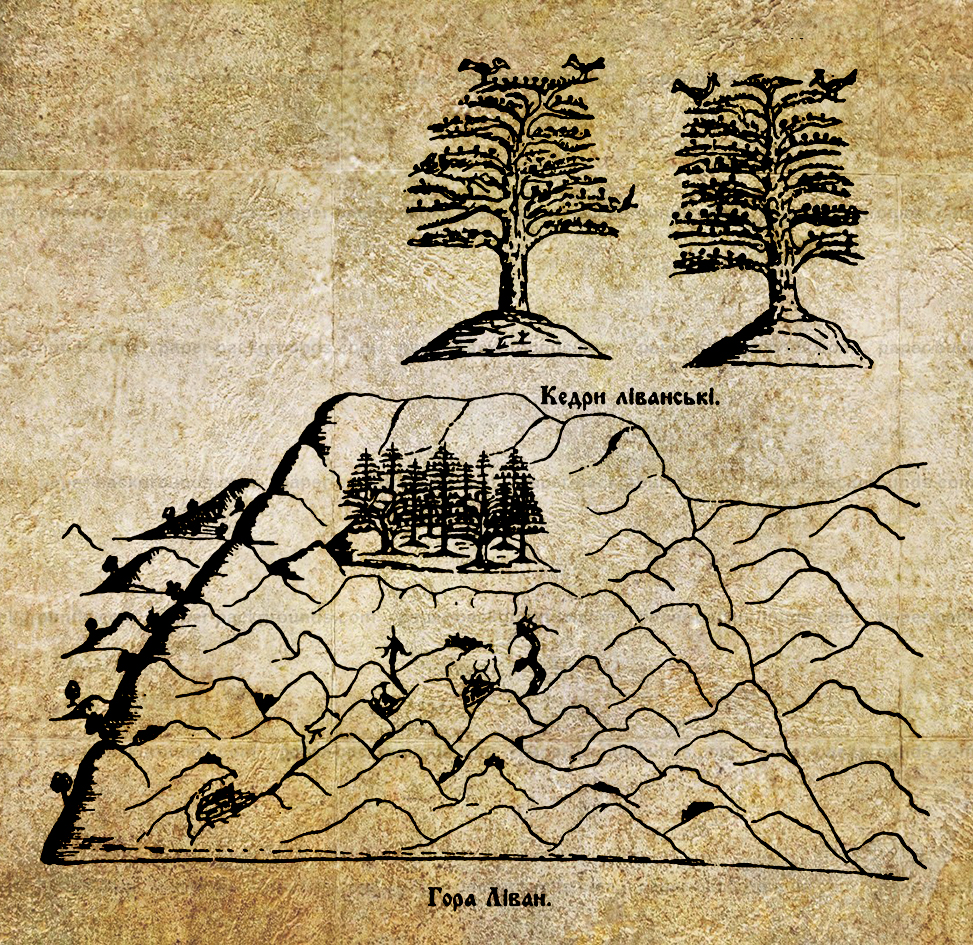
Here is what the traveler recorded in his diary:
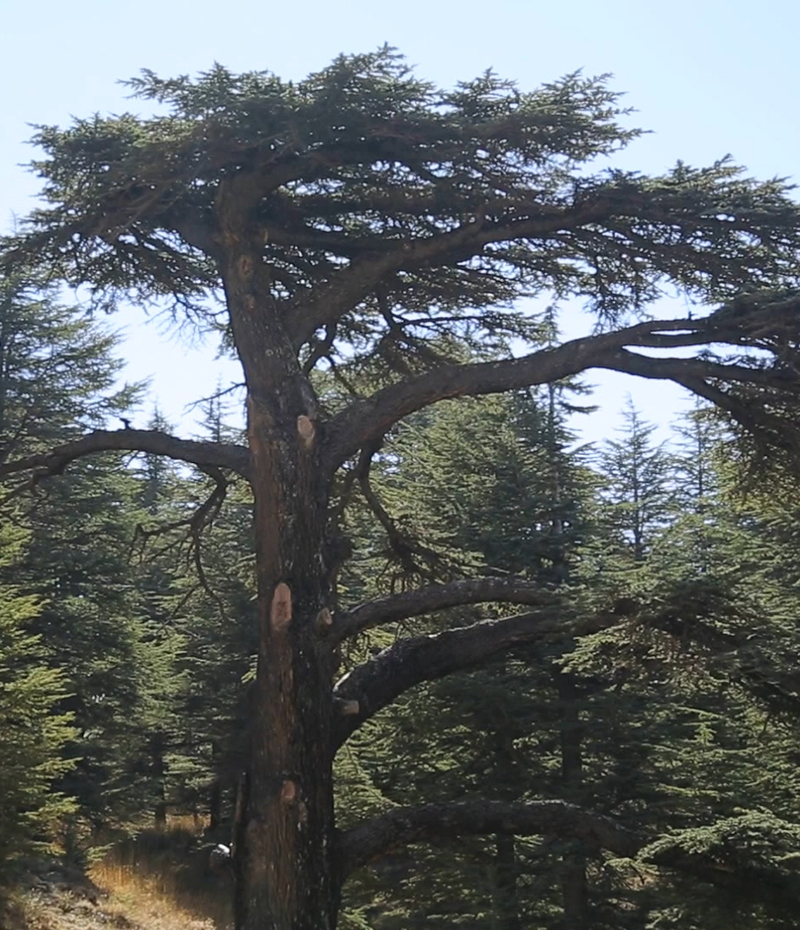
“Mount Lebanon and these cedars are praised more than once in the Holy Scriptures, especially in the psalms that are sung at vespers; there it is said: “The trees of the Lord are satisfied, those cedars of Lebanon that You planted”;
and in another place: “Shall blossom fair as a palm tree, and shall grow like a cedar in Lebanon”; that is, even though cedars grow in other places, they do not flourish like this, they do not spread their branches like this, they are not as powerful as the cedars of Lebanon.”
Подивитись відео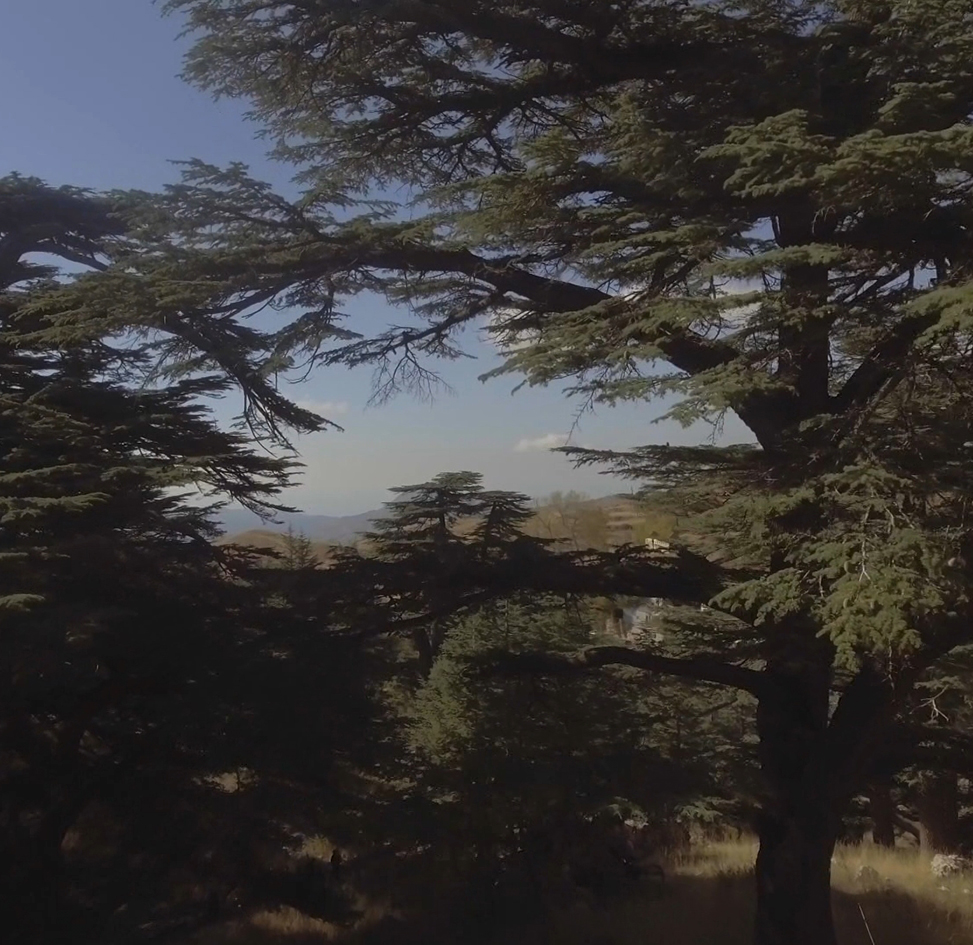
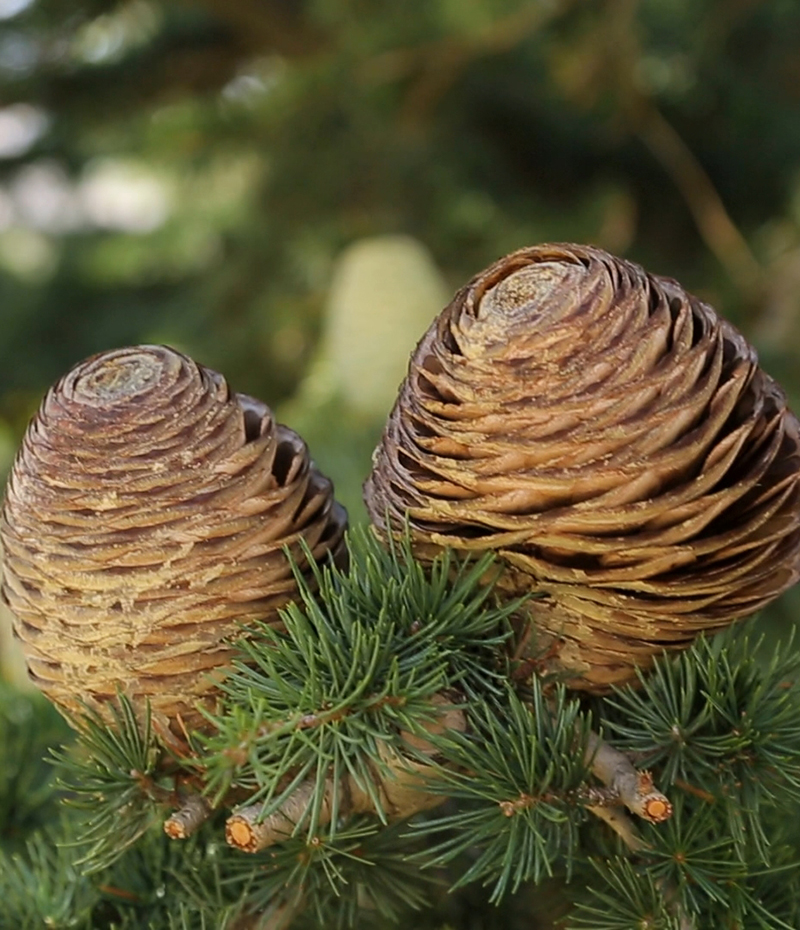
Vasyl Hryhorovych-Barskyi demonstrates his thoughtfulness and education, contemplating with his own eyes the beauty of cedars, interpreting references to them in the Holy Scriptures.
“The voice of the Lord breaks the cedars of Lebanon”, in other words, the cedars in Lebanon are big and strong that the like of which cannot be found anywhere else, but God is still able to break them with a voice or a single word;
and here in “Song of Songs”: “With me from Lebanon, my bride, with me from Lebanon you will go!” — that is, from the chosen place.
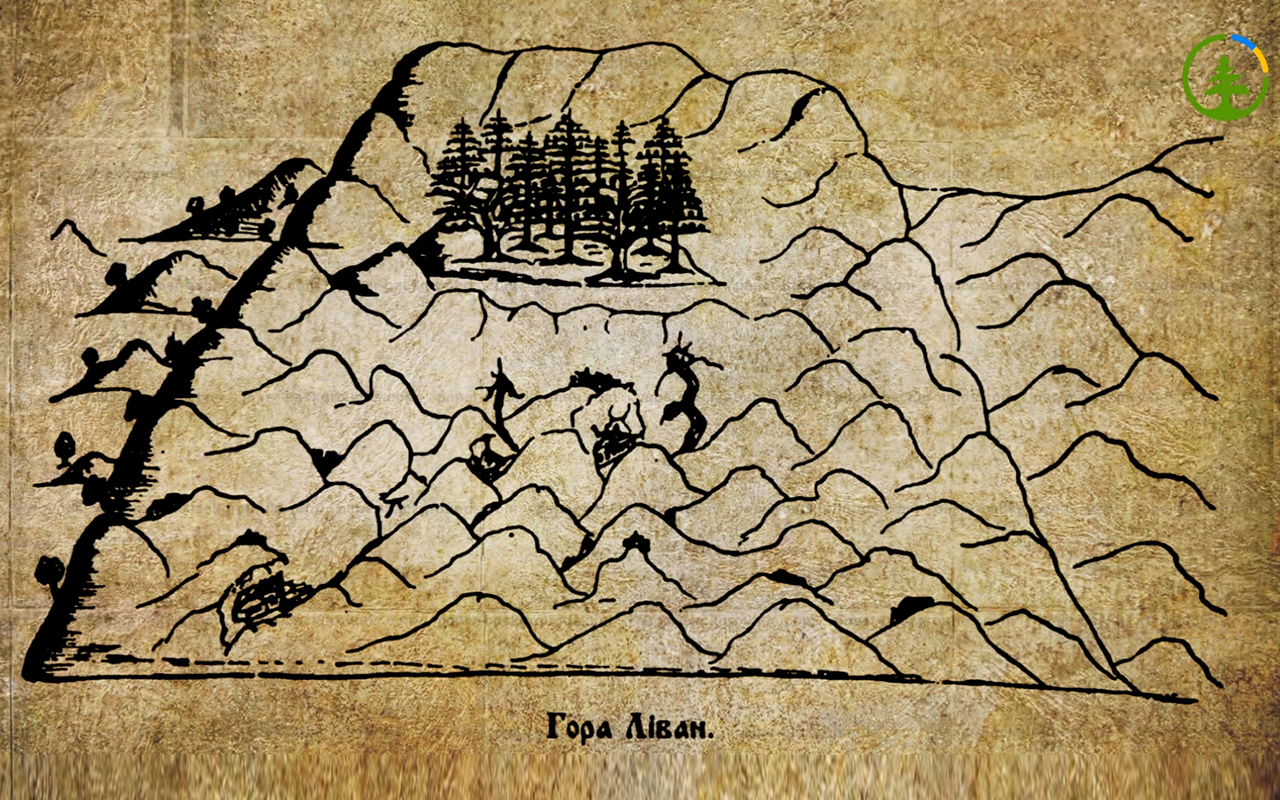
“Mount Lebanon is glorified, famous and great; it is two days long and two wide; it stretches from north to south, widening from west to east, where there are smaller mountains and hills, and stones of different colors: black, white, red and yellow; all kinds of trees grow here, and quite excellent water; many Christian monasteries and villages; there are many different birds here, small and large, and most of all falcons and eagles, which nest above large and terrible chasms…”
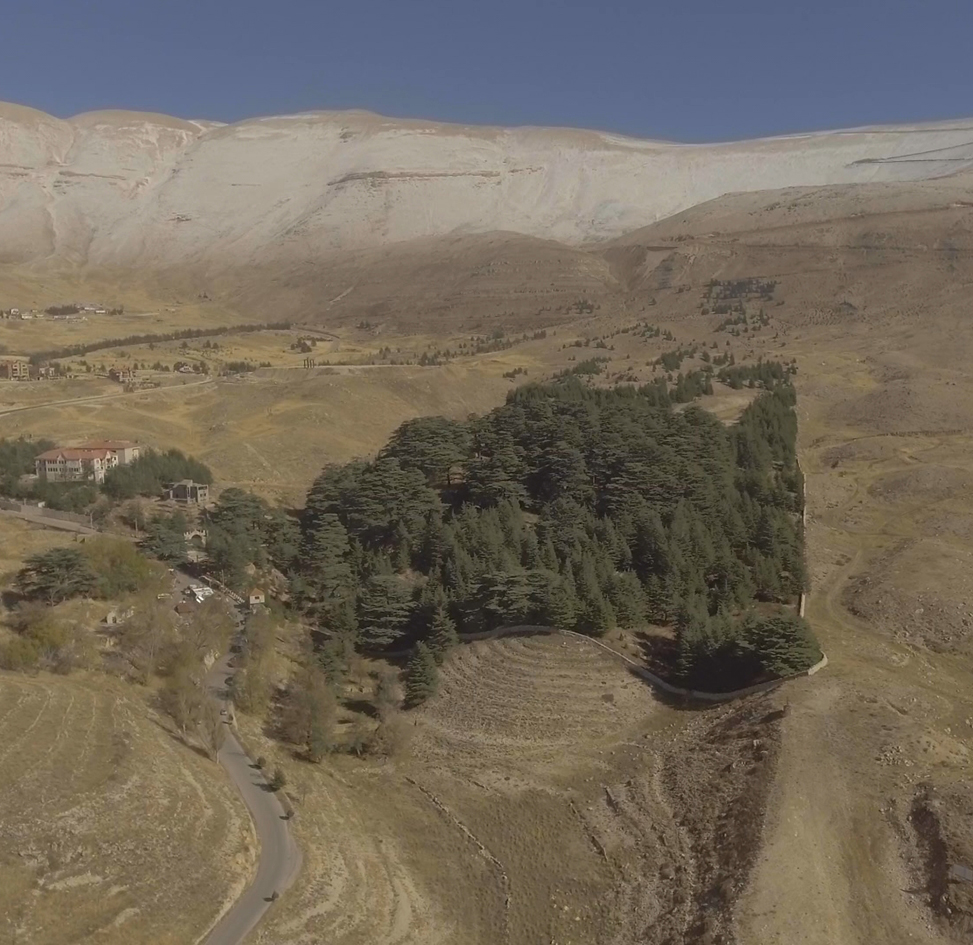
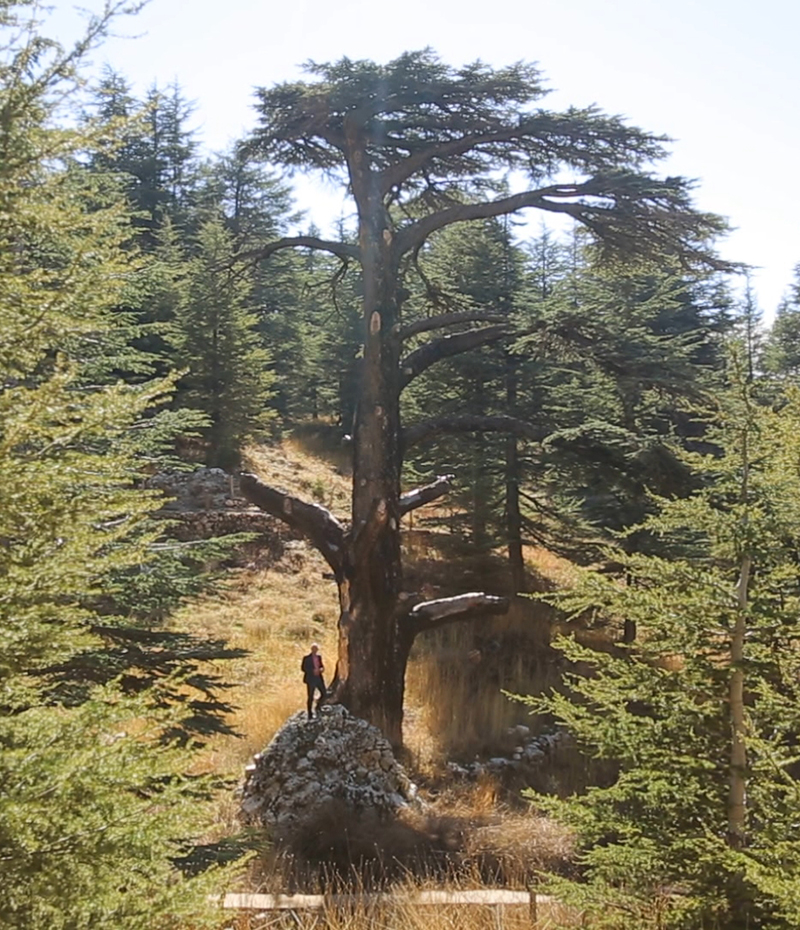
The traveler from Kyiv describes in detail his way to Cedar Grove and carefully analyzes everything he sees:
“On the way to the place where the cedars grow, there are still villages and people live in them, but there is no one higher up, because it is cold and unfit for life there.
From the cedar grove to the very top is another three or four hours of climbing, and this top is as if surrounded by a crown, and there are no trees or grass there, only white stones.
Подивитись відеоThey cannot be there because of the great snowfall in the winter and lie on the very top all summer, although it is very warm in that region; the mountain is very high, and its top is always shrouded in clouds.”
“Below, on the surrounding hills, there are many flat fields and fertile lands where people sow wheat and graze sheep, oxen, and horses.
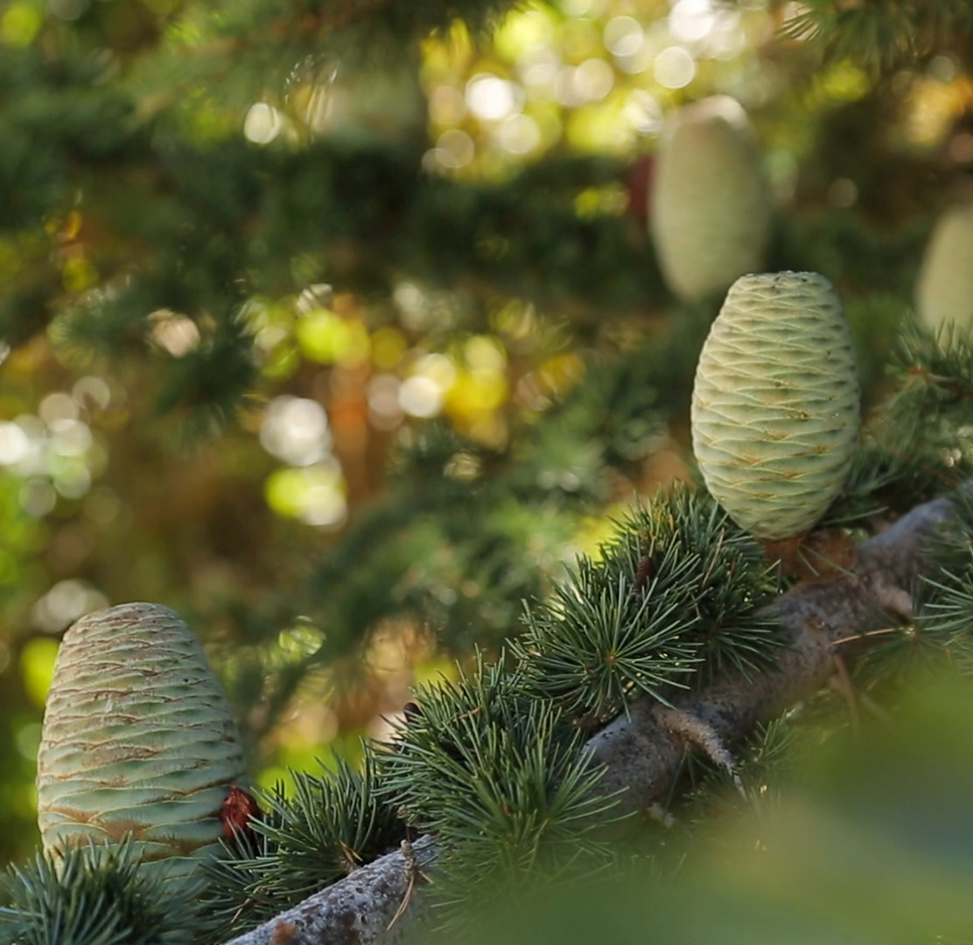
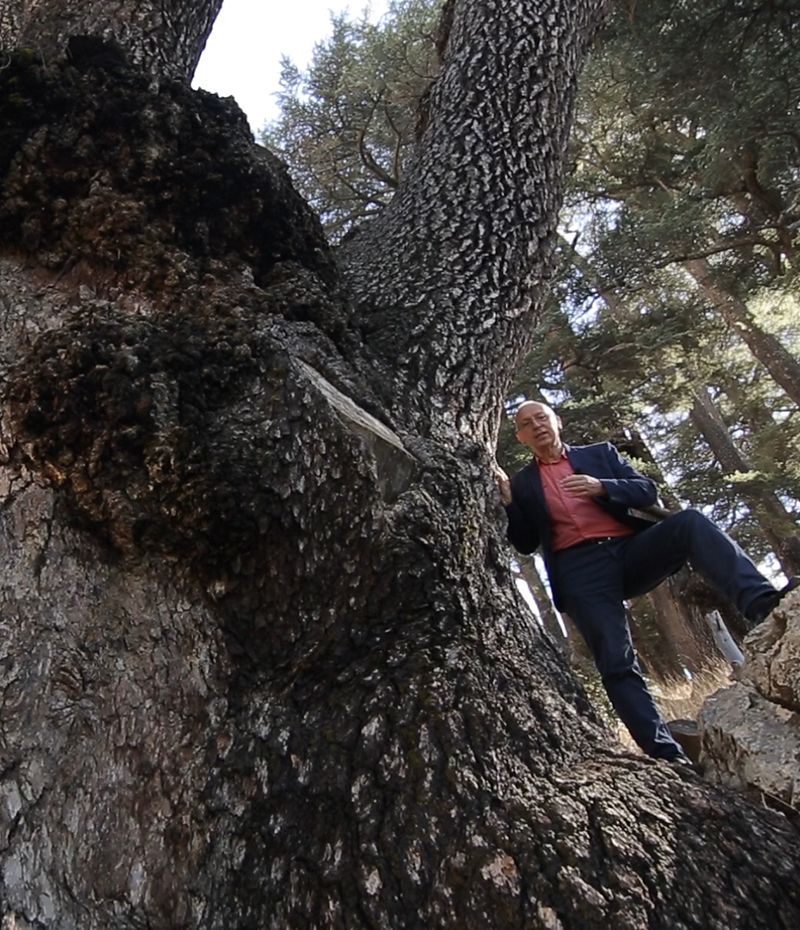
“Below, on the surrounding hills, there are many flat fields and fertile lands where people sow wheat and graze sheep, oxen, and horses.
There are also lower hills in those fields, and on one of them grow Lebanese cedars, like a great forest.”
“There are different cedars there, small and large, which are two, three, four, five and six hundred years old, and there are thousands, and some have been growing since the time of Israel.”
“Among them are five very ancient, rough and tall ones: they are so thick that even four men cannot reach around them. Near them are refectories of small stones, where during the year the Romans and Maronites often come to lead the liturgy.”
Подивитись відео
“On those big cedars, the names of different people, in different languages, are carved on the bark with iron… All those who come here, especially from distant countries, have developed the custom of carving their names on the cedars… Here, too, I carved my unworthy name with a knife; the place here is wonderful, very picturesque and cool.”
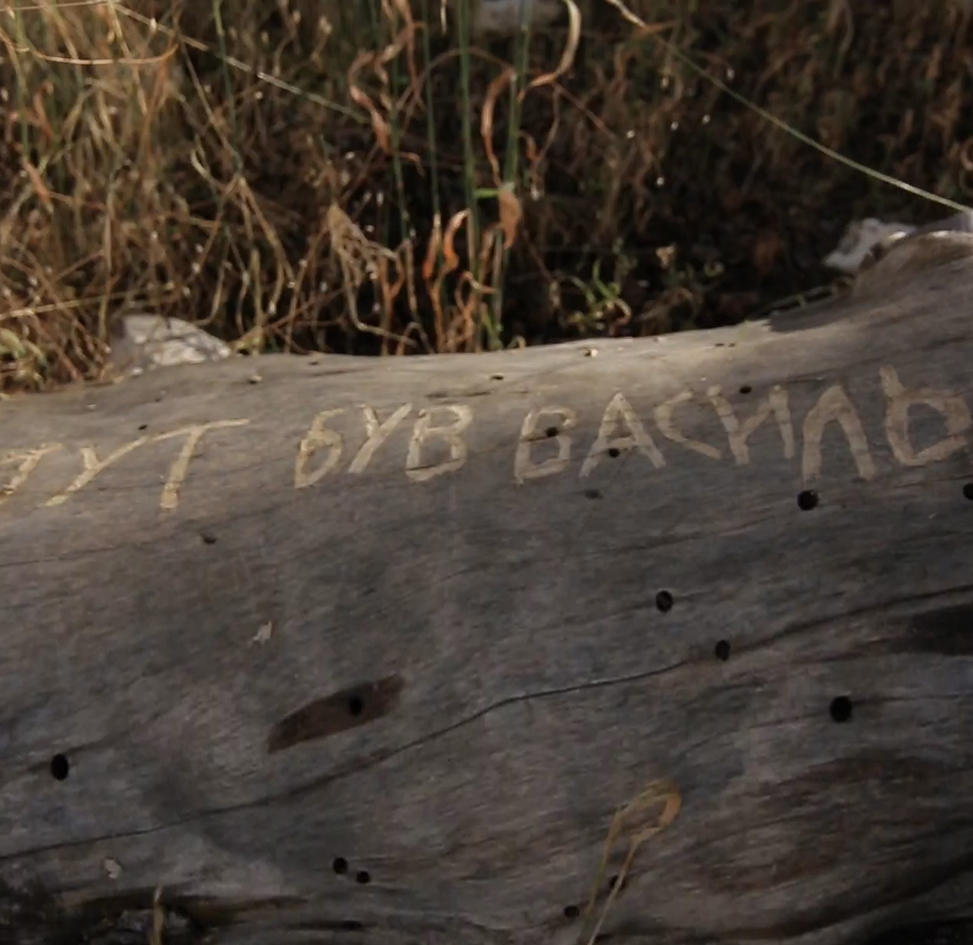
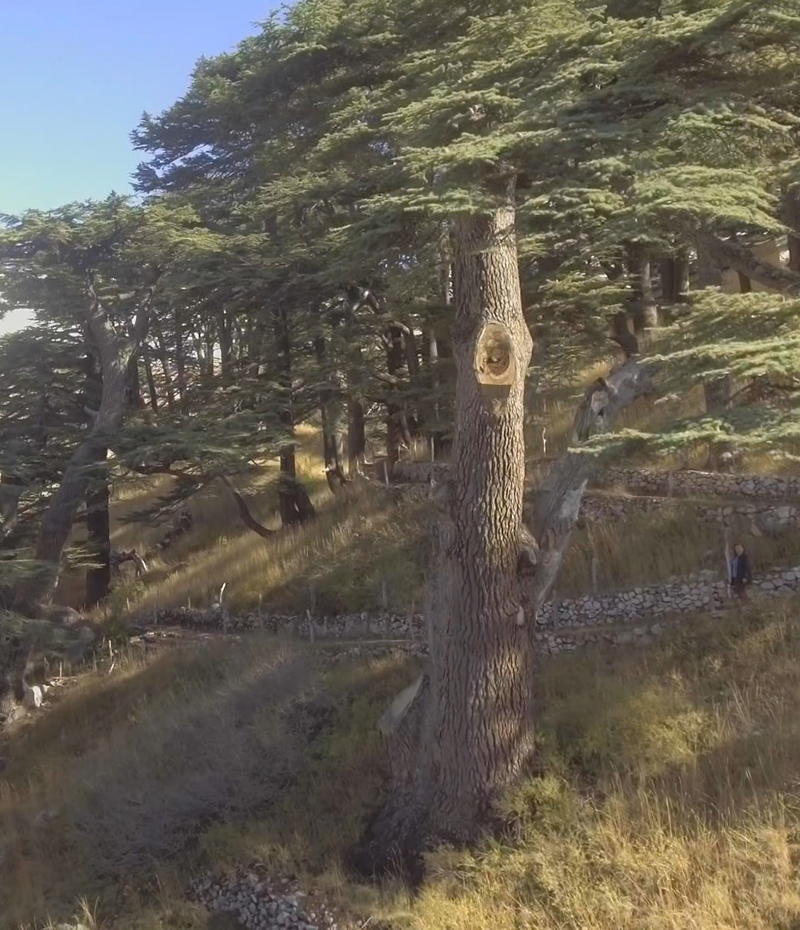
Vasyl Hryhorovych-Barsky clearly recorded in his diary when exactly he saw the cedars of Lebanon. It was at the end of August 1728:
“After looking closely at the cedars of Lebanon on the last day of August, I returned the same day to the mentioned Maronite village and spent the night there…”
Подивитись відеоThe extraordinariness of the Kyiv traveler Vasyl Hryhorovych-Barskyi lies not in his scrupulous descriptions of Lebanon, which the writer left as far back as the 18th century, nor in the skill and documentary quality of his texts, but probably in his courage and determination to undertake a long journey through the important places of humanity.
And this at a time when traveling was a difficult, dangerous and very risky undertaking.
Подивитись відео
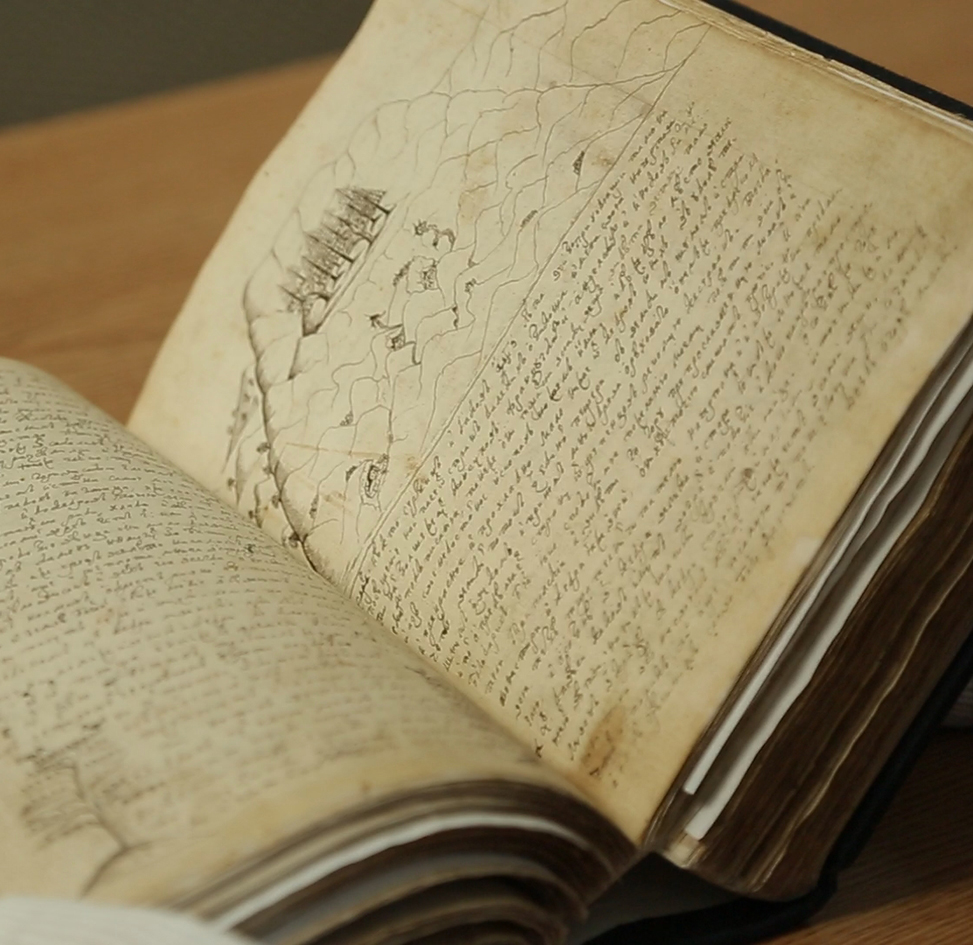
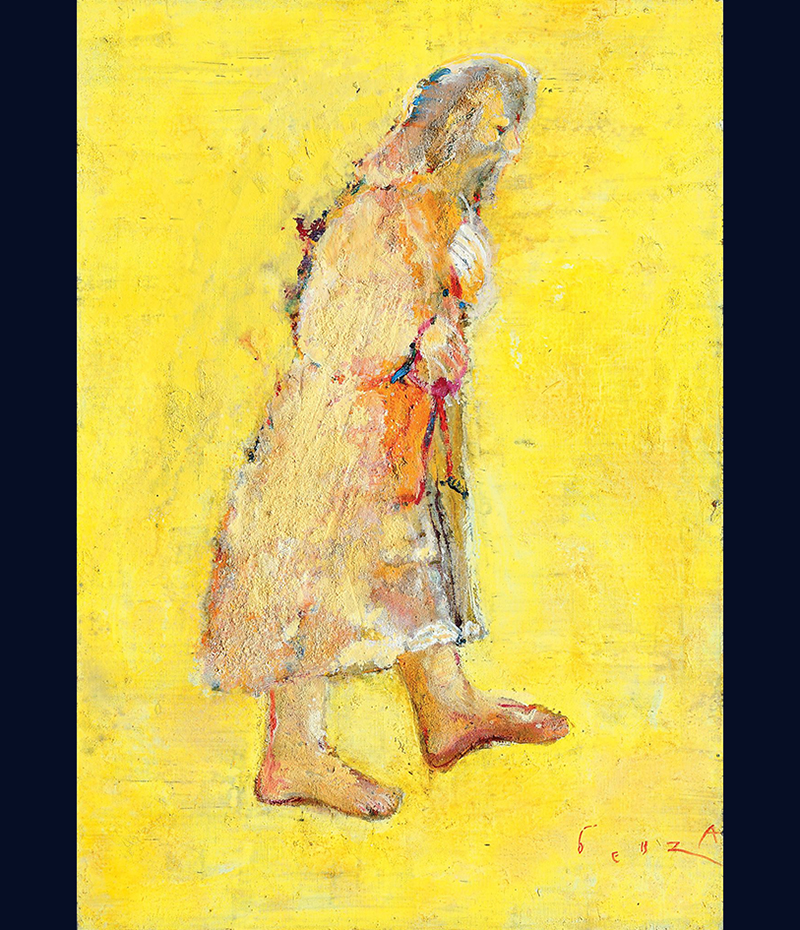
So it is not surprising that the modern Ukrainian artist Petro Bevza depicted Hryhorovych-Barsky in the sunniest, noblest and reverent colors, naming his work symbolically “TO THE LIGHT II” (2015, oil on canvas, 100×70 cm).
Image of Vasyl Hryhorovych-Barsky – Petro Bevza painting “TO THE LIGHT” (2015, canvas, oil, 100×70 cm).

We use cookies to provide you with the best experience on our website. By clicking "I agree", you agree to our cookie policy.